


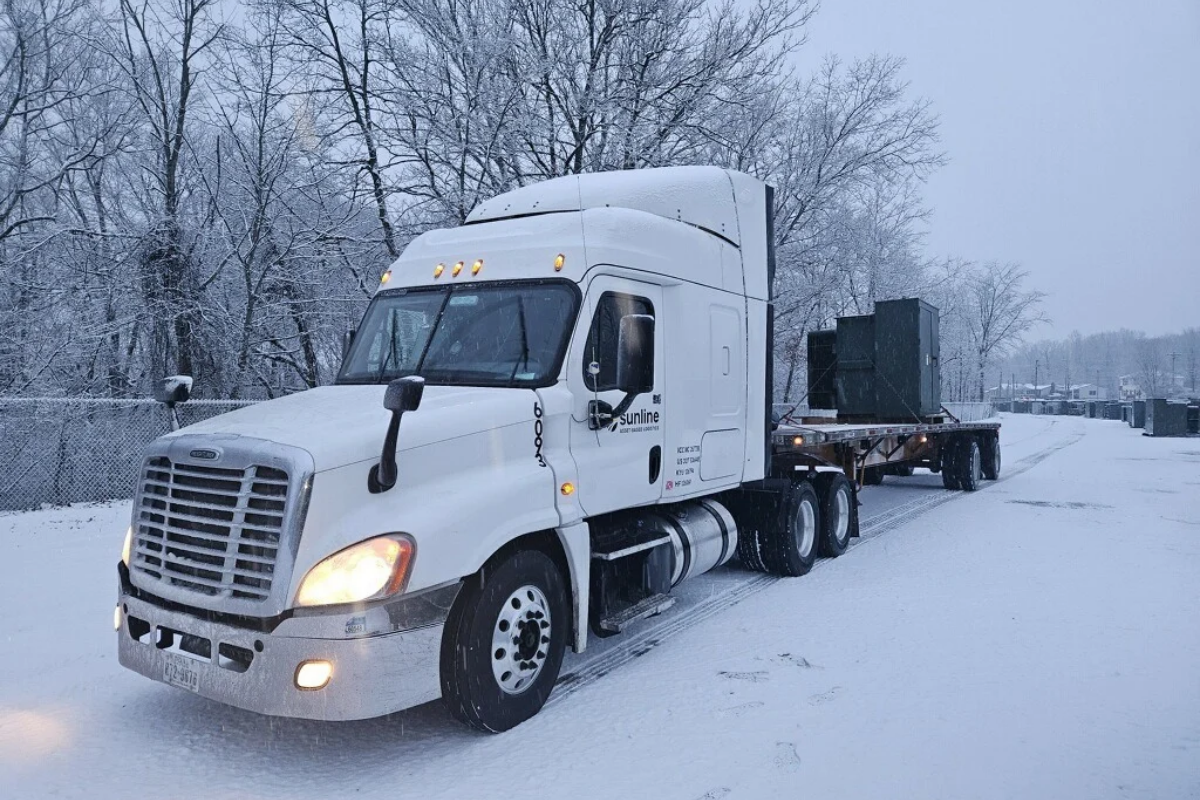
As we head into the colder months, flatbed drivers face a new set of challenges on the road. Freezing temperatures, icy roads, high winds, and changing weather conditions can make hauling a load more difficult, especially when working outside to secure, inspect, and tarp freight.
A little preparation can go a long way toward keeping you safe, protecting your equipment, and getting your load delivered on time. Here are eight tips to help flatbed drivers prepare for colder weather.
1. Inspect Your Truck and Trailer Before Every Trip
Cold weather can put extra stress on your equipment. Before heading out, take time to inspect your truck and trailer to make sure everything is in good working condition.
Pay special attention to:
- Tires: Check tire pressure, tread depth, and overall condition.
- Brakes: Make sure your brakes and air system are working properly.
- Batteries: Cold temperatures can reduce battery performance.
- Lights and reflectors: Make sure you are visible to other drivers, especially during shorter days and poor weather.
- Air lines and hoses: Check for leaks, damage, or signs of freezing.
Catching a problem during your pre-trip inspection is much better than dealing with a breakdown in freezing temperatures.
2. Take Extra Care When Securing Your Load
Load securement is important in every season, but cold weather can make the process more challenging. Gloves, cold hands, and slippery surfaces can make it harder to handle chains, straps, and other securement equipment.
Before leaving the yard, make sure your chains, straps, binders, and tarps are in good condition. Check for wear, damage, or anything that could affect their performance.
After getting on the road, recheck your load securement as required and whenever conditions or circumstances call for it. Always follow applicable securement regulations and company procedures.
Remember: Never rush through load securement just to get out of the cold. Taking a few extra minutes can help prevent a much bigger problem down the road.
3. Dress for the Weather
Flatbed drivers spend time outside securing loads, inspecting equipment, and handling tarps. When temperatures drop, having the right clothing can make these tasks safer and more comfortable.
Prepare for changing conditions with:
- Layers that help keep you warm without restricting movement.
- Insulated, slip-resistant work boots.
- Weather-resistant gloves that allow you to handle securement equipment.
- A warm hat and a weather-resistant jacket.
- Extra dry clothing in case your gear gets wet.
Avoid clothing or equipment that interferes with your ability to climb, grip securement equipment, or move safely around your truck and trailer.
4. Be Careful When Tarping in Cold and Windy Conditions
Tarping can be one of the toughest parts of flatbed trucking during the colder months. Strong winds can make tarps difficult to control, while wet or icy surfaces can increase the risk of slips and falls.
Whenever possible, tarp your load in a designated area with stable footing and enough room to work safely. Check the weather before starting, and never put yourself in a dangerous position to finish the job.
Keep these tips in mind:
- Watch for gusts of wind that can catch a tarp unexpectedly.
- Use designated access equipment and follow safe climbing procedures.
- Never climb onto a load or trailer when surfaces are icy or slippery.
- Stop and reassess conditions if the job becomes unsafe.
If conditions are too dangerous, contact dispatch or your supervisor to discuss the safest next step.
5. Adjust Your Driving for Winter Road Conditions
Cold weather can create hazardous road conditions even when the pavement looks clear. Bridges, overpasses, shaded areas, and elevated roadways can freeze before other surfaces.
When temperatures drop:
- Reduce speed when road conditions require it.
- Increase following distance to allow more room to stop.
- Accelerate, brake, and steer smoothly.
- Avoid sudden lane changes and sharp turns.
- Watch for black ice, especially during early mornings and overnight hours.
An empty or lightly loaded flatbed can also respond differently to strong winds and slippery roads. Stay alert, keep both hands available for safe control of the vehicle, and give yourself plenty of room to react.
If conditions become unsafe, find a safe place to stop and communicate with dispatch. Getting there safely is more important than keeping to a schedule.
6. Keep an Eye on the Weather Along Your Route
The weather at your starting point may look completely different from the conditions you’ll face later in the trip. A clear morning in Texas, for example, does not guarantee clear roads farther north.
Before leaving, check the forecast and road conditions along your route. Continue monitoring updates as you travel, especially when hauling through areas expecting snow, ice, freezing rain, or high winds.
Plan ahead for potential delays, road closures, and alternate routes. Give yourself enough time to respond to changing conditions rather than feeling pressured to push through unsafe weather.
7. Prepare Your Cab for Cold Weather
Your cab should be ready for unexpected delays or a breakdown in cold temperatures. Keep essential supplies within reach so you are not caught unprepared if you have to wait for assistance.
Consider keeping these items in your truck:
- Warm blankets and extra clothing.
- Drinking water and nonperishable snacks.
- A flashlight and extra batteries.
- A first-aid kit.
- A phone charger or backup power source.
- Winter gloves and other cold-weather gear.
Also, make sure your heating and defrosting systems are working properly. Clear visibility is essential, especially when temperatures fluctuate and windows begin to fog or ice over.
8. Give Yourself Time and Don’t Take Unnecessary Risks
Winter driving requires patience. Traffic may move more slowly, deliveries may take longer, and securing a load may require extra care.
Build extra time into your trip when possible, communicate delays early, and follow company safety procedures. Never let a delivery deadline push you into driving through dangerous conditions or attempting a task that puts you at risk.
No load is worth compromising your safety.
Get Ready for the Road Ahead
Colder weather brings extra challenges for flatbed drivers, but preparation makes a difference. Keeping your equipment in good condition, securing loads carefully, dressing for the weather, and adjusting your driving to road conditions can help you stay safer throughout the season.
At Sunline, safety starts before the wheels turn. As you prepare for the colder months, take the time to plan ahead, inspect your equipment, and look out for yourself and those sharing the road with you.
Stay prepared, stay alert, and make safety a priority on every mile.